Categories
Historic Homes

Ohio City Neighborhood Deep-Dive: Historic Homes, Brewery Culture, and Lakefront Living

Ohio City at a Glance

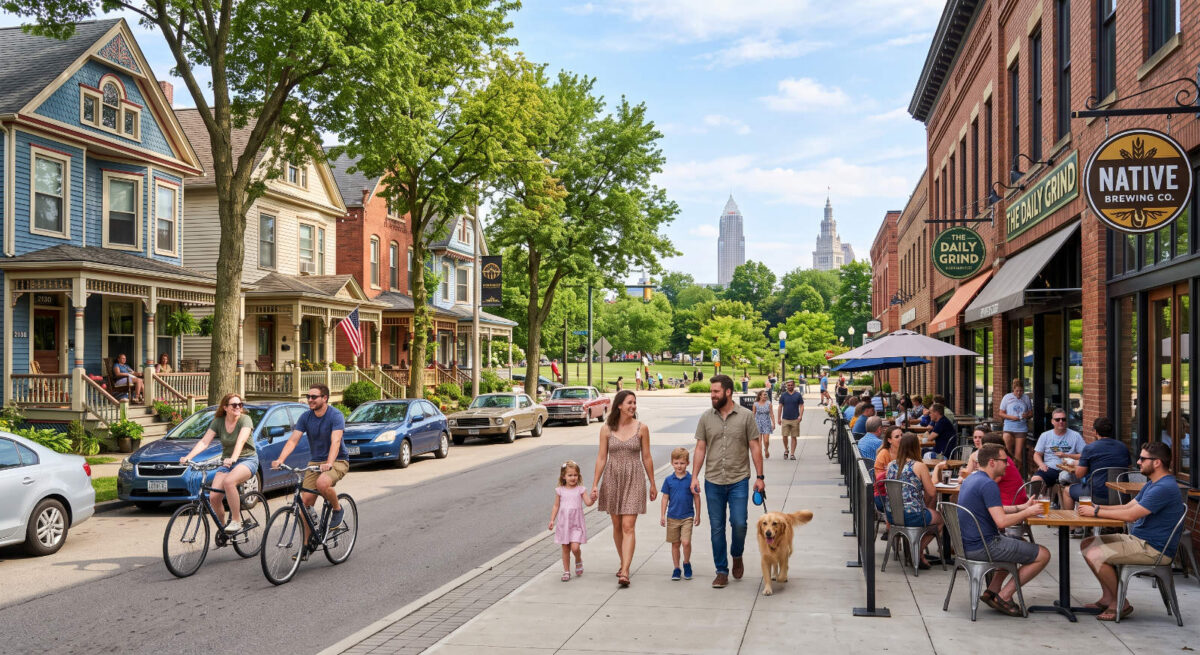
Ohio City is one of Cleveland’s most vibrant and sought-after neighborhoods, known for its walkability, strong sense of community, and impressive mix of historic charm and modern convenience. For homebuyers who want an urban lifestyle with neighborhood character, Ohio City delivers a rare combination of old-world architecture, local businesses, outdoor access, and a lively food-and-drink scene.

Just west of Downtown Cleveland, this neighborhood offers a true live-near-everything experience. Residents enjoy quick access to parks, the lakefront, and some of the city’s best breweries, all while living in a community that feels both energetic and welcoming.

Local Lifestyle: Parks, Breweries, and the Lakefront

One of Ohio City’s biggest draws is the lifestyle it supports. Weekends here can easily be spent strolling through neighborhood streets, grabbing coffee from a local cafe, or meeting friends at a brewery patio. The area has become a destination for people who appreciate locally owned businesses and a social, active environment.

Parks and Green Space

Ohio City offers residents access to green spaces that make it easy to balance city living with time outdoors. Families, dog owners, runners, and cyclists all benefit from nearby parks and recreational areas that provide room to relax and recharge. Whether it is a morning walk or an afternoon picnic, the neighborhood’s parks add valuable breathing room to an otherwise urban setting.

Breweries and Dining

Ohio City is especially well known for its craft brewery scene. The neighborhood has become a hub for locals who enjoy tasting rooms, taprooms, and restaurants with a creative edge. This gives the area a lively, social energy that continues well into the evening. Beyond breweries, the dining options range from casual neighborhood favorites to destination-worthy restaurants, making it easy to enjoy a night out without leaving the community.

Lakefront Access

Another major advantage of living in Ohio City is proximity to Cleveland’s lakefront. Residents can take advantage of views, trails, and open-air recreation along Lake Erie, adding a scenic escape close to home. The lakefront helps make this neighborhood feel expansive and connected to the city’s natural surroundings, which is especially appealing for active households and anyone who values outdoor access.

The Current Real Estate Landscape in Ohio City

Ohio City remains one of Cleveland’s most desirable housing markets because it blends historic character with ongoing neighborhood growth. Buyers are often drawn to the area for its walkability, proximity to Downtown, and unique housing stock. As demand continues, homes in Ohio City tend to attract attention quickly, especially those that have been thoughtfully updated while preserving original charm.

Historic Homes with Timeless Appeal

Historic homes are a defining feature of Ohio City’s real estate landscape. Many properties showcase classic architectural details, such as brick exteriors, woodwork, tall windows, and inviting front porches. These homes often offer the kind of character that is difficult to find in newer developments.

For buyers who appreciate craftsmanship and personality, Ohio City’s historic homes are a standout option. Some have been fully renovated to meet modern needs, while others provide opportunities for restoration and personalization. Either way, the neighborhood’s housing inventory appeals to buyers who want a home with a story.

What Buyers Are Looking For

Today’s homebuyers in Ohio City often prioritize a few key features:

  • Walkability to shops, restaurants, and parks
  • Updated interiors with preserved historic details
  • Outdoor space, including yards, patios, or porches
  • Proximity to Downtown Cleveland and lakefront amenities
  • Homes that balance charm with modern functionality

Because the neighborhood is so desirable, well-maintained homes in good condition can move quickly. Buyers interested in Ohio City should be prepared to act decisively when the right property becomes available.

Why Ohio City Works for Growing Families

Ohio City is not just a great place for young professionals or first-time buyers. It is also an excellent fit for growing families who want a neighborhood with character, convenience, and long-term livability. The community’s walkable streets, access to parks, and family-friendly local spots make everyday life easier and more enjoyable.

Historic homes provide space and charm, while the neighborhood’s amenities offer plenty to do on weekends and after school. Parents will appreciate being close to green space, local dining, and city conveniences without sacrificing a sense of community. As children grow, Ohio City’s energetic yet grounded atmosphere gives families room to put down roots and feel connected to their surroundings.

In short, Ohio City offers the kind of lifestyle growing families are looking for: beautiful historic homes, access to parks and the lakefront, a thriving local scene, and a neighborhood identity that feels both classic and current. For families seeking a home base in one of Cleveland’s most dynamic communities, Ohio City is an exceptional choice.

Categories
Historic Homes Lakefront Living

Ohio City Neighborhood Deep-Dive: Historic Homes, Lakefront Living, and Family-Friendly Charm

Ohio City is one of Cleveland’s most beloved neighborhoods for good reason. With its mix of historic character, walkable streets, local dining, and easy access to parks and the lakefront, it offers a lifestyle that feels both energetic and rooted in community. For homebuyers looking for a place with personality, convenience, and long-term value, Ohio City stands out as a neighborhood worth exploring.

A Neighborhood with True Local Flavor

Ohio City has a distinct identity that blends historic charm with a modern, urban lifestyle. Residents enjoy an active community atmosphere, where coffee shops, neighborhood markets, restaurants, and independent businesses are all part of daily life. It is the kind of place where it is easy to spend a weekend wandering local streets, meeting friends for dinner, or discovering a new favorite spot close to home.

One of the biggest draws of Ohio City is how connected it feels. The neighborhood offers a strong sense of place without sacrificing access to downtown Cleveland and nearby destinations. That balance makes it especially appealing for buyers who want city convenience with a more established neighborhood feel.

Outdoor Access: Parks, Green Space, and the Lakefront

For those who value time outside, Ohio City delivers. The neighborhood offers access to parks and green space that support an active lifestyle, whether you are taking a morning walk, heading out for a run, or spending the afternoon with family. Nearby recreation areas and local park spaces add to the neighborhood’s appeal for residents who want to stay close to nature while living in the city.

Perhaps most exciting is Ohio City’s connection to the lakefront. Having Lake Erie so close means residents can enjoy waterfront views, open-air recreation, and seasonal activities that make the area feel special throughout the year. From bike rides to lakefront outings, the natural amenities near Ohio City help create a more balanced urban lifestyle.

A Brewery Scene That Adds to the Energy

Ohio City is also well known for its brewery culture. The neighborhood has become a destination for craft beer lovers, with local breweries and taprooms helping define its social scene. These gathering places contribute to the area’s lively atmosphere and give residents easy access to events, community nights, and casual places to unwind.

For homebuyers, this brewery presence is more than just entertainment. It is part of what makes Ohio City feel vibrant and current while still preserving its historic roots. The neighborhood’s mix of old and new creates a dynamic environment that appeals to a wide range of residents.

Real Estate in Ohio City: A Strong Market with Historic Character

The real estate landscape in Ohio City is especially attractive because of its historic homes. Buyers will find a range of older properties that showcase the architectural details and craftsmanship that make established neighborhoods so desirable. These homes often feature unique exteriors, original woodwork, charming layouts, and the kind of character that is difficult to recreate in newer construction.

Historic homes in Ohio City continue to draw interest from buyers who want charm, individuality, and neighborhood authenticity. Many of these properties have been thoughtfully updated over time, giving homeowners the opportunity to enjoy classic architecture with modern conveniences. As a result, the market tends to appeal to buyers who appreciate preservation as well as practical livability.

Because of the neighborhood’s popularity, demand remains strong. Buyers interested in Ohio City should be prepared to move quickly when the right home becomes available, especially if they are looking for a renovated historic property in a prime location. The neighborhood’s lasting appeal supports its reputation as a solid long-term investment.

Why Historic Homes Stand Out Here

Historic homes are a major reason Ohio City continues to capture attention. These properties offer more than just square footage; they tell the story of the neighborhood itself. Living in a historic home often means enjoying distinctive details, mature surroundings, and a sense of connection to Cleveland’s past.

  • Architectural character that stands apart from newer developments
  • Established streets and a mature neighborhood setting
  • Potential for modern updates while preserving original charm
  • Strong buyer interest and lasting resale appeal

For many buyers, especially those looking to put down roots, this combination of charm and value makes Ohio City a compelling choice.

Perfect for Growing Families

Ohio City is especially well suited for growing families because it offers a lifestyle that supports both everyday convenience and long-term comfort. The neighborhood’s walkability makes it easier to enjoy outings without always relying on the car, while its parks, local amenities, and nearby lakefront provide plenty of ways to stay active together as a family.

Historic homes can also be a major advantage for families looking for space and personality. Many of these homes offer multiple rooms, flexible layouts, and enough character to feel like a true home from the start. Combined with the neighborhood’s community feel and access to amenities, Ohio City creates an environment where families can grow, connect, and thrive.

For buyers seeking a neighborhood with history, energy, and everyday livability, Ohio City checks all the boxes. It is a place where families can enjoy a vibrant local lifestyle, benefit from a strong housing market, and settle into a community that feels welcoming from day one.

Categories
Uncategorized

Brook Park Moves to Create Public Authority for New Browns Stadium: What It Means for Real Estate Development

Brook Park is taking a major step that could shape the future of its real estate landscape for years to come. Mayor Edward Orcutt has formally asked City Council to approve the creation of a special community authority that would own the new Cleveland Browns stadium and lease it back to the team. The proposal is tied to a larger mixed-use development that includes the $2.6 billion stadium and an adjacent $1 billion project featuring hotels, housing, and retail.

For real estate professionals, developers, investors, and local business owners, this is more than a stadium financing update. It is a signal that Brook Park may be positioning itself for one of the most significant economic development corridors in Northeast Ohio. The structure, if approved, could influence property values, infrastructure planning, commercial demand, and long-term neighborhood growth.

What Brook Park Is Proposing

According to the legislation submitted to City Council, Brook Park would establish a special community authority that would own the stadium and lease it to the Browns. This type of public-private structure is not unusual in large-scale sports and entertainment development. In this case, it would provide a legal and financial framework for managing a major asset while allowing the team to operate in the facility.

The Browns have supported the idea for some time. Dee and Jimmy Haslam have previously pointed to a similar arrangement used in Columbus for the Crew. Under Ohio law, community authorities can be created to oversee projects with public benefit and mixed-use impact.

From a real estate standpoint, this matters because ownership structure often determines how quickly a project moves forward, who bears the risk, and how surrounding land is marketed and developed.

Why This Matters for Brook Park Real Estate

A stadium alone can drive attention, but the larger story is the surrounding development. The proposal includes hotels, residential units, and retail space. That combination creates a true mixed-use environment, which is often more valuable than a single-purpose site because it generates activity throughout the day and week.

Here are the most important real estate implications:

  • Increased land demand: Areas near the project may become more attractive for investors seeking commercial, hospitality, or multifamily opportunities.
  • Higher visibility for Brook Park: National attention around a professional sports venue often elevates a suburb’s profile and can spur private development interest.
  • Infrastructure pressure and opportunity: Roads, utilities, transit access, and parking improvements can unlock additional parcels for development.
  • Mixed-use momentum: Hotels, retail, and housing near a stadium tend to support each other by creating year-round foot traffic and stable occupancy demand.

For property owners nearby, these changes can create both opportunity and uncertainty. Values may rise if demand strengthens, but long-term outcomes will depend on zoning, traffic patterns, and whether the broader district becomes a successful destination rather than an isolated venue.

How Community Authorities Work in Ohio

Community authorities are public entities allowed under Ohio law. They are often used to support projects that have both public and private benefits. In this case, the authority would own the stadium and lease it to the Browns, creating a structure that can help manage financing, operations, and development coordination.

For developers and investors, understanding the structure is critical because it can influence:

  • Tax treatment
  • Development timelines
  • Public incentive eligibility
  • Ownership and lease arrangements
  • Future redevelopment flexibility

This model can reduce some barriers to large projects, but it also requires public transparency and political approval. City Council’s decision will shape whether Brook Park can use this mechanism to move the project forward.

What the Stadium Could Mean for Surrounding Property Values

Real estate near major entertainment anchors typically sees increased interest, especially when the project includes residential and retail uses. In Brook Park, that could translate into stronger demand for nearby parcels suited to hospitality, service businesses, and apartment development.

However, the impact will not be uniform. Properties with excellent access, visibility, and compatible zoning will likely benefit first. Sites with noise, traffic congestion, or limited ingress and egress may require more careful planning before they become development-ready.

Property owners should consider the following:

  • Review current zoning: Determine whether your parcel is positioned for redevelopment or requires rezoning.
  • Assess access and visibility: Parcels near arterial roads or planned improvements may gain value fastest.
  • Monitor public meetings: Council discussions and planning documents often reveal where future infrastructure money will go.
  • Evaluate timing: Selling too early could mean missing future appreciation, but waiting too long could expose owners to holding costs or changing market conditions.

Investment Opportunities in a Stadium-Adjacent District

Stadium districts can create a strong pipeline of real estate opportunities, especially when the project is paired with hotels, housing, and retail. That broader mix is significant because it supports multiple asset classes rather than depending on event-day traffic alone.

Potential sectors to watch

  • Hospitality: Hotels can benefit from games, concerts, conventions, and year-round visitors.
  • Multifamily housing: Workers, service employees, and renters who want access to entertainment and job centers may drive demand.
  • Retail and dining: Restaurants, bars, convenience retail, and experiential concepts often perform well in mixed-use districts.
  • Parking and mobility assets: Structured parking, ride-share staging, and transit-oriented services may be valuable in a high-traffic district.

Investors should not assume immediate returns. Large developments typically unfold in phases. The most successful strategies often involve early land positioning, entitlement readiness, and a long-term view of how the district will evolve.

Risks and Considerations for Local Stakeholders

Major stadium projects can transform an area, but they also introduce challenges. Public officials and private stakeholders will need to balance economic development goals with practical concerns.

Key risks include:

  • Traffic congestion: Event traffic may affect nearby neighborhoods and commercial corridors.
  • Infrastructure costs: Upgrades to roads, utilities, and stormwater systems can be expensive.
  • Market absorption: Hotels, apartments, and retail must be supported by real demand, not just speculative interest.
  • Political uncertainty: Public authority approval, financing terms, and development commitments may change over time.

Stakeholders should evaluate not only the size of the investment, but also the long-term operating plan. A successful district depends on sustainable occupancy, consistent access, and a clear identity beyond football season.

Actionable Steps for Property Owners and Investors

If you own land, commercial property, or investment assets in or near Brook Park, now is the time to review your position. Major infrastructure and destination projects often create windows of opportunity before the market fully prices in future growth.

  • Track council approvals: Follow the community authority legislation and related public meetings closely.
  • Consult zoning and land-use professionals: Confirm whether your property can support higher-value uses.
  • Commission a property analysis: Understand how the stadium and mixed-use plan may affect your parcel’s value.
  • Explore partnership options: Owners of larger tracts may be able to negotiate with developers or hold land for future assemblage.
  • Prepare for long-term growth: Infrastructure improvements may take time, but early positioning can create a competitive advantage.

The Bigger Picture for Northeast Ohio Real Estate

Brook Park’s move reflects a broader trend in regional real estate: cities and suburbs are increasingly using mixed-use sports and entertainment projects as catalysts for redevelopment. When done well, these projects can generate jobs, new housing, tax base growth, and stronger commercial activity.

For Northeast Ohio, the Browns stadium proposal could become a landmark development that reshapes not just one site, but a wider economic corridor. If the public authority is approved and the surrounding district comes together as planned, Brook Park could see sustained attention from developers, investors, and residents looking for new opportunities.

That makes this a story worth watching closely. For now, the key question is whether City Council will approve the proposed community authority. If it does, Brook Park could be on track to manage one of the most important real estate developments in the region.

Bottom line: The Browns stadium proposal is not just a sports story. It is a major real estate development story with the potential to influence property values, investment patterns, and the future shape of Brook Park.

Categories
Real Estate

Exclusive Real Estate Rendering Reveals What a Renovated Lakefront Stadium Could Mean for Cleveland’s Future

Why this rendering matters for Cleveland real estate

In a city where waterfront land is among the most valuable and politically sensitive real estate in the region, even a single rendering can reshape the public conversation. The newly surfaced image of a renovated lakefront stadium offers more than a visual update—it provides a glimpse into how Cleveland could rethink one of its most visible assets as a mixed-use destination, not just a sports venue.

For real estate developers, investors, public officials, and neighborhood stakeholders, the key question is no longer whether the site can be transformed. It is how. A renovation plan at the current lakefront stadium would signal a different development strategy than a new-build dome project in the suburbs: one that prioritizes urban connectivity, public access, and long-term district value.

What the rendering suggests about the property strategy

The image shows a dramatic shift from a closed, concrete-heavy stadium to a more open and contemporary structure. Vertical exoskeleton elements and glass facades suggest a design intended to soften the stadium’s visual mass while increasing transparency and natural light. For real estate observers, that matters because design is not just aesthetic—it affects how a property interacts with its surrounding market.

A more open stadium envelope can support a broader district strategy by making the site feel active on non-game days. That is critical in today’s mixed-use development environment, where successful large-scale projects often depend on year-round foot traffic, event programming, retail activation, and public gathering space.

Key real estate implications visible in the plan

  • Improved public realm: Wider walkways and larger gathering areas can make the site more usable for residents and visitors.
  • Mixed-use potential: Adjacent development opportunities may increase land value around the stadium footprint.
  • District activation: The property becomes a destination, not only a sports venue.
  • Connectivity advantage: A renovated lakefront site can better link downtown, the waterfront, and nearby commercial corridors.

How a renovated stadium could change surrounding property values

From a real estate standpoint, one of the biggest effects of a stadium renovation is the ripple effect it can create across adjacent parcels. When a major civic asset becomes more active throughout the year, it can support stronger demand for hospitality, residential, office, and entertainment uses nearby. That does not happen automatically, but it does create a foundation for appreciation.

Properties located within walking distance of a transformed stadium could benefit from increased visibility and improved infrastructure. Hotels may see stronger occupancy on event weekends and conference dates. Residential developers may view the area as more viable if public realm improvements reduce the sense of isolation often associated with large sports facilities. Retail and food-and-beverage users may also gain confidence if the site supports predictable activity beyond game days.

Most likely beneficiaries

  • Hotel operators: More year-round event traffic can support hospitality demand.
  • Multifamily developers: Amenity-rich districts tend to attract renters.
  • Retail tenants: Restaurants and service businesses benefit from consistent foot traffic.
  • Landowners nearby: Improved district perception can raise land desirability and resale value.

The public subsidy question remains central

As with many major sports and waterfront developments, financing is a major part of the debate. Public support, whether through bonds, infrastructure contributions, or related incentives, can make or break a project. From an SEO and investment standpoint, this is one of the most searched and discussed aspects of the Cleveland stadium story because it directly affects taxpayer exposure and project feasibility.

That is why transparency around competing plans matters. The public can better evaluate a lakefront renovation when it is compared side by side with alternative proposals. For real estate professionals, the lesson is simple: capital allocation should match the long-term value creation strategy. A project anchored by public support should demonstrate measurable civic and economic return.

What this means for Cleveland’s lakefront development vision

The stadium site is not just a sports venue; it is a large-scale urban land asset with the potential to anchor a broader lakefront transformation. If the renovation plan advances, it could become the core of a larger district that blends public space, entertainment, and private development in a way that strengthens Cleveland’s identity and market position.

That vision aligns with contemporary urban real estate trends. Cities increasingly compete on lifestyle, access, and experience. Projects that can combine civic pride with commercial utility tend to outperform isolated, single-use assets over time. In this context, a renovated stadium could serve as both a catalyst and a signal: Cleveland is serious about using its lakefront as a long-term development engine.

Strategic opportunities for investors and stakeholders

  • Watch zoning and planning updates: Regulatory changes often precede market movement.
  • Track infrastructure commitments: Access, parking, transit, and public space are value drivers.
  • Monitor adjacent parcel activity: Early land assembly can indicate future development pressure.
  • Assess mixed-use demand: Hospitality, residential, and entertainment uses are the most likely first movers.

Renovation versus relocation: the real estate tradeoff

From a development perspective, the choice between renovating an existing lakefront site and building a new facility elsewhere comes down to site value, infrastructure efficiency, and neighborhood impact. Renovating in place leverages existing urban assets, but it can also require more complex phasing and public coordination. A suburban relocation may offer cleaner land assembly, but it risks weakening downtown’s long-term economic ecosystem.

For Cleveland, the lakefront option preserves a rare opportunity to reinforce the city core with a major destination asset. That is especially important in markets where downtown vitality depends on a mix of employment, tourism, entertainment, and residential activity.

Actionable takeaways for real estate professionals

If you are a broker, developer, investor, or local business owner, this rendering is more than a media moment. It is a market signal. Here is how to respond strategically:

  • Evaluate nearby acquisition opportunities now before broader market pricing reflects the full impact of redevelopment.
  • Study the site plan carefully to identify where public space and mixed-use additions may create demand.
  • Prepare for a multi-year development cycle rather than expecting immediate returns.
  • Position assets around experience-based uses such as dining, hospitality, and flexible event space.
  • Follow public approvals and financing discussions because policy shifts will influence timing and valuation.

The bottom line

The newly revealed rendering of a renovated Cleveland lakefront stadium gives the public its first concrete look at a plan that could have major implications for the city’s real estate market. Whether viewed as a civic upgrade, a development catalyst, or a negotiating tool in a larger stadium debate, the image points to one clear conclusion: the lakefront remains one of Cleveland’s most important long-term growth opportunities.

For now, the renderings are only one piece of a much larger conversation. But in real estate, vision shapes value—and this vision could help define the next chapter of Cleveland’s waterfront.

Categories
Uncategorized

Cleveland Ohio Real Estate in the News: What’s Happening Across Northeast Ohio and What Buyers Should Know

Cleveland Ohio Real Estate in a Changing Northeast Ohio Market

Cleveland Ohio real estate continues to draw attention as news across Northeast Ohio shapes buyer demand, seller strategy, and long-term investment opportunities. From downtown redevelopment and suburban growth to infrastructure projects, employer expansions, and shifting interest rates, the regional news cycle has a direct impact on housing trends. For buyers, sellers, and investors, understanding how local developments affect the market is key to making smart decisions.

In today’s Northeast Ohio housing market, Cleveland remains a central hub. Its affordability compared with many major U.S. metros, combined with ongoing revitalization efforts, gives the city and its surrounding suburbs a unique position. Whether you are exploring a home in Lakewood, Ohio City, Tremont, Shaker Heights, Parma, or Cleveland Heights, recent news in the region can influence pricing, inventory, and neighborhood demand.

Why Northeast Ohio News Matters for Cleveland Ohio Real Estate

Real estate is highly sensitive to local conditions. In Northeast Ohio, news about business growth, transportation upgrades, hospital system expansions, school improvements, and downtown development can all affect property values. When an employer adds jobs or a major project breaks ground, housing demand often rises nearby. Similarly, news about rising insurance costs, taxes, or affordability challenges can shift buyer behavior and affect affordability across the Cleveland metro.

For homeowners and investors, the takeaway is simple: stay informed about what is happening in Northeast Ohio because those developments can move the real estate market faster than national headlines alone.

Key Trends Shaping the Cleveland Housing Market

1. Affordability Remains a Major Advantage

Cleveland continues to stand out as one of the more affordable metro areas in the country. That affordability attracts first-time buyers, relocating professionals, and investors looking for value. Compared with coastal markets, Cleveland Ohio real estate often offers more square footage, larger lots, and lower entry prices.

However, affordability does not mean the market is static. In popular neighborhoods and well-connected suburbs, competition can still be strong. Buyers who are pre-approved and ready to act are more likely to secure desirable homes.

2. Neighborhood Revitalization Is Driving Interest

News about neighborhood investment can significantly impact buyer interest. Areas benefiting from new restaurants, mixed-use developments, park upgrades, or street improvements often see greater demand. In Cleveland, neighborhoods such as Ohio City, Detroit-Shoreway, Tremont, and Detroit Avenue corridors have benefited from ongoing revitalization and urban lifestyle appeal.

Suburban markets are also seeing attention as buyers look for more space and stable community amenities. Shaker Heights, Strongsville, Westlake, and Avon continue to attract buyers seeking a balance of convenience and quality of life.

3. Inventory Levels Still Influence Pricing

Like many U.S. markets, Northeast Ohio has experienced changing inventory conditions. When inventory is tight, well-priced homes can sell quickly. When more listings become available, buyers gain leverage and sellers need stronger pricing and presentation strategies.

For Cleveland Ohio real estate, inventory often varies by neighborhood, price point, and property type. Single-family homes, condos, and multi-family properties each respond differently to market conditions. Monitoring local listing trends is essential for setting realistic expectations.

4. Interest Rates Affect Monthly Affordability

Even in an affordable market, mortgage rates matter. Higher rates reduce purchasing power and can delay some buyers, while lower or stabilizing rates can bring more demand back into the market. In Northeast Ohio, rate changes often have a noticeable effect because many buyers are highly price-conscious and focused on monthly payment comfort.

Actionable insight: Buyers should compare payment scenarios at different rates before shopping. Sellers should understand how rate-sensitive buyers may respond to pricing and concessions.

How Recent Northeast Ohio News Impacts Buyers

Local news can help buyers identify the strongest opportunities. If a neighborhood is benefiting from a new development, road improvement, or job growth, buying early may offer long-term upside. On the other hand, buyers should also watch for rising property taxes, school funding changes, or utility and maintenance costs that affect total ownership expense.

Smart Buyer Strategies in Cleveland

  • Get pre-approved before touring homes. Competitive properties can move quickly in desirable Cleveland neighborhoods.
  • Track neighborhood news. Redevelopment announcements and employer investments can signal future appreciation.
  • Compare both city and suburban options. The best value may depend on commute, taxes, lifestyle, and long-term goals.
  • Factor in repairs and renovation costs. Older Cleveland homes can offer charm and value, but budgeting for updates is critical.
  • Work with a local agent. A Northeast Ohio specialist can help you understand neighborhood-specific conditions.

Buyers should also pay attention to property types that match current demand. Move-in-ready homes in well-kept neighborhoods are often in high demand, but homes needing cosmetic updates may offer better long-term value for those willing to renovate.

How Sellers Can Use Local News to Their Advantage

Sellers in Cleveland Ohio real estate can benefit by timing, presentation, and pricing strategy. If regional news is creating more buyer interest in a particular neighborhood, a well-prepared listing can stand out. But pricing too aggressively can still hurt performance, even in a favorable market.

Smart Seller Strategies

  • Price based on current neighborhood comps. Do not rely only on general market headlines.
  • Highlight upgrades and local advantages. Proximity to transit, parks, hospitals, universities, or entertainment districts matters.
  • Invest in curb appeal and staging. First impressions are especially important in competitive price ranges.
  • Be prepared for inspection negotiations. Many Cleveland homes have older systems that buyers will evaluate closely.
  • Monitor buyer demand after major local news. Positive developments can create short windows of increased activity.

Sellers should also recognize that buyers in Northeast Ohio are value-driven. A home that is clean, well-maintained, and competitively priced often performs better than a similar home that is overmarketed or underprepared.

Investment Opportunities in Northeast Ohio

Investors continue to pay attention to Cleveland because of its relative affordability, rental demand, and neighborhood diversity. News about job growth, institutional expansion, or infrastructure investment can strengthen the case for buy-and-hold properties and small multi-family investments.

Areas close to downtown employment centers, medical campuses, universities, and major transit routes often attract steady renter interest. Investors should, however, carefully evaluate operating expenses, insurance, taxes, tenant demand, and maintenance requirements before purchasing.

What Investors Should Watch

  • Neighborhood momentum: New development can support appreciation and rental demand.
  • Property condition: Older housing stock may offer upside, but renovation budgets must be realistic.
  • Cash flow potential: Compare rent estimates against all expenses, not just the purchase price.
  • Regulatory changes: Local ordinances, rental requirements, and taxes can affect returns.

For those seeking long-term growth, Cleveland Ohio real estate can be appealing when the acquisition is disciplined and the market is understood at a neighborhood level.

Neighborhoods to Watch in Cleveland and Surrounding Areas

Northeast Ohio offers a wide range of housing choices. The right neighborhood depends on goals such as walkability, school districts, commute times, property taxes, and renovation potential.

Urban and Inner-Ring Areas

Neighborhoods like Ohio City, Tremont, Detroit-Shoreway, and Edgewater continue to attract buyers who want proximity to restaurants, entertainment, lakefront access, and downtown employment. These areas often perform well when local news highlights new commercial or infrastructure investments.

Established East Side Communities

Shaker Heights and Cleveland Heights are known for historic homes, tree-lined streets, and strong architectural character. These neighborhoods appeal to buyers who value charm and location, although maintenance needs can be higher in older homes.

West Side and Suburban Markets

Communities such as Lakewood, Westlake, Strongsville, Avon, and Parma offer a mix of urban convenience and suburban comfort. These markets often benefit when news points to population stability, retail development, or commuter-friendly improvements.

What to Expect Next in Cleveland Ohio Real Estate

Looking ahead, the Cleveland housing market will likely continue to be shaped by affordability, regional growth, and evolving buyer preferences. If the Northeast Ohio economy remains steady and more buyers return to the market, demand could strengthen in well-located neighborhoods. At the same time, inventory levels, interest rates, and local economic news will continue to influence pace and pricing.

For buyers: focus on preparation, neighborhood research, and financing readiness. For sellers: use local market data and professional presentation to maximize results. For investors: evaluate both the immediate cash flow and the long-term trajectory of the neighborhood.

Final Thoughts

Cleveland Ohio real estate is closely tied to the news in Northeast Ohio because local developments shape buyer behavior, seller leverage, and investment potential. From redevelopment and job growth to changing inventory and affordability trends, staying informed gives you an edge. Whether you are buying your first home, selling a family property, or building a portfolio, the best results come from combining market knowledge with local insight.

If you are watching Cleveland real estate, keep an eye on neighborhood-specific news, compare options carefully, and work with professionals who understand the nuances of the Northeast Ohio market. In a city and region as dynamic as Cleveland, informed decisions create the best opportunities.

Categories
Real Estate

Cleveland Ohio Real Estate in the Spotlight: What North East Ohio News Means for Buyers, Sellers, and Investors

Cleveland Ohio Real Estate and the Latest North East Ohio News

Cleveland Ohio real estate continues to attract attention as new developments, infrastructure improvements, job growth, and neighborhood revitalization reshape the market across North East Ohio. For buyers, sellers, and investors, local news matters because it often signals where demand is rising, where inventory may tighten, and which communities could see stronger long-term appreciation.

Whether you are looking to purchase your first home, list a property, or expand an investment portfolio, understanding how current events affect Cleveland’s housing market can help you make smarter decisions. From downtown redevelopment to suburban expansion and lakefront momentum, the latest North East Ohio headlines are influencing real estate trends in meaningful ways.

Why North East Ohio News Matters to the Cleveland Housing Market

Real estate does not move in isolation. In Cleveland and the surrounding region, news about employers, transportation projects, public policy, and community investment can quickly change buyer behavior and property values. Strong local journalism often highlights the same signals that real estate professionals watch closely: economic growth, population shifts, and neighborhood-level demand.

Key news-driven factors influencing the market include:

  • Job creation and corporate investment: New employers and expansions can increase housing demand near employment centers.
  • Transit and infrastructure projects: Road improvements, public transportation upgrades, and airport investment can improve access and boost nearby property appeal.
  • Downtown and neighborhood redevelopment: Mixed-use projects and commercial improvements often support residential demand.
  • School, safety, and community updates: News about school district performance, crime trends, and public services can affect buyer preferences.
  • Interest rate and affordability pressures: Broader financial news can alter how quickly homes sell and what buyers can afford.

Current Cleveland Ohio Real Estate Trends Shaped by Regional News

1. Strong interest in walkable urban neighborhoods

Local reporting on downtown revitalization, entertainment districts, and waterfront investment has helped increase interest in walkable Cleveland neighborhoods. Buyers seeking shorter commutes and easy access to dining, sports, and cultural venues are paying close attention to areas such as Ohio City, Tremont, Detroit-Shoreway, and parts of Downtown.

These neighborhoods often perform well when the news cycle highlights new businesses, apartment projects, or public space enhancements. Even modest improvements in retail or streetscape quality can influence buyer confidence and rental demand.

2. Suburban markets remain competitive

While Cleveland’s urban core gets much of the attention, news from North East Ohio also underscores the strength of nearby suburbs. Communities in Cuyahoga, Lake, Medina, Geauga, and Summit counties continue to attract families seeking more space, strong schools, and stable neighborhoods.

When local news highlights new employers, school improvements, or road expansions in suburban corridors, homes in those areas may sell faster and closer to asking price. Buyers often move quickly when they believe a suburb will remain desirable over the next five to ten years.

3. Renovation-ready homes are in demand

In a market shaped by affordability concerns, many buyers are looking for homes they can update over time. North East Ohio news about historic preservation, neighborhood reinvestment, and building rehabilitation has supported interest in older homes with strong bones but outdated interiors.

For sellers, this means that homes with solid structure, good locations, and clean maintenance records can still attract strong offers even if they need cosmetic work. For investors, it creates opportunities in value-add properties near improving corridors.

How Cleveland News Impacts Buyers

For buyers, staying informed about North East Ohio news can help you identify the right time and place to purchase. A headline about a new manufacturing facility, hospital expansion, or transit upgrade may indicate future housing demand in nearby neighborhoods.

Actionable tips for buyers:

  • Track local development announcements: Look for planned projects near job centers, hospitals, and transit lines.
  • Compare neighborhoods, not just homes: A slightly higher purchase price in a growing area may deliver better long-term value.
  • Watch inventory levels: If news is generating buyer interest in a neighborhood, act quickly when a suitable property appears.
  • Evaluate commute and lifestyle benefits: Proximity to work, parks, schools, and amenities can preserve resale value.
  • Get pre-approved early: In a fast-moving market, financing readiness can give you an edge.

Buyers should also remember that not every positive headline creates immediate price spikes. Some developments take years to affect property values. A thoughtful approach balances current affordability with future growth potential.

How Cleveland News Impacts Sellers

Sellers can benefit significantly when regional news improves buyer sentiment. A strong employment report, new development announcement, or neighborhood improvement project can increase visibility for homes in surrounding areas. If your property is located near a growing corridor, the news may give you an opportunity to market the home more effectively.

Actionable tips for sellers:

  • Highlight location advantages: If nearby news points to growth, mention access to transit, restaurants, schools, or employment centers in your listing.
  • Invest in high-ROI updates: Fresh paint, landscaping, lighting, and kitchen or bath touch-ups can help your home stand out.
  • Use recent neighborhood developments in your marketing: Buyers respond to signs of momentum and improvement.
  • Price strategically: Align your asking price with current comparable sales and market activity, not headlines alone.
  • Work with a local expert: A Cleveland-area real estate professional can help translate news into a compelling listing strategy.

If news coverage is driving more attention to your neighborhood, the first few weeks on market become especially important. Strong presentation and accurate pricing can maximize exposure and shorten time to sale.

Why Investors Are Watching North East Ohio Closely

Investors are drawn to Cleveland Ohio real estate because the region can offer relative affordability, stable rental demand, and opportunities for appreciation in revitalizing areas. Local news helps investors identify where demand may rise before the broader market fully reacts.

Areas near hospitals, universities, major employers, and transportation corridors often remain attractive for rentals. News about redevelopment or business growth can further improve the outlook for single-family rentals, multifamily properties, and mixed-use assets.

Investment strategies worth considering:

  • Buy near employment hubs: Tenants often prioritize convenience to work and transit.
  • Focus on neighborhoods with visible reinvestment: New businesses and public improvements can support appreciation.
  • Analyze rent-to-price ratios: Compare monthly rent potential against purchase and operating costs.
  • Assess maintenance needs carefully: Older Cleveland housing stock may offer value, but renovation budgets must be realistic.
  • Monitor municipal and county announcements: Public investment can influence long-term returns.

In North East Ohio, successful investors usually combine local market knowledge with disciplined underwriting. News headlines can point to opportunity, but cash flow, taxes, insurance, and repairs must still make sense.

Neighborhoods and Submarkets to Watch

Although every transaction is unique, several Cleveland-area submarkets tend to respond strongly to local economic and development news. These include:

  • Downtown Cleveland: Influenced by corporate occupancy, entertainment activity, and residential conversion projects.
  • Ohio City and Tremont: Popular for lifestyle amenities, historic character, and continued redevelopment.
  • Detroit-Shoreway and Lakewood: Often supported by demand for walkability and close-in living.
  • University Circle and nearby districts: Benefiting from healthcare, education, and cultural institution activity.
  • Fast-growing suburban corridors: Areas in eastern and western suburbs can gain momentum from school, retail, and infrastructure news.

Buyers and sellers should watch not only property listings but also zoning changes, commercial openings, and public works announcements. These details often provide an early look at where the market may head next.

Practical Steps for Navigating the Market Right Now

If you are active in Cleveland Ohio real estate, the best approach is to combine market data with local news awareness. A balanced strategy can help you avoid overpaying, underselling, or missing a strong opportunity.

For buyers

  • Get pre-approved and define your budget before touring homes.
  • Research recent news affecting target neighborhoods.
  • Compare current listings with sold homes from the last 30 to 90 days.
  • Be ready to move quickly if the right property appears in a high-demand area.

For sellers

  • Prepare the home for maximum first impression value.
  • Use neighborhood momentum in your marketing language.
  • Price based on current competition and buyer demand.
  • Consider timing your listing around seasonal demand and major local developments.

For investors

  • Study vacancy rates and rental demand by submarket.
  • Review tax burdens, insurance costs, and repair risks carefully.
  • Look for undervalued properties near improving areas.
  • Build relationships with local contractors, property managers, and agents.

The Bottom Line on Cleveland Ohio Real Estate and North East Ohio News

Cleveland Ohio real estate remains closely tied to what is happening across North East Ohio. News about jobs, infrastructure, development, and neighborhood change can influence buying decisions, pricing power, and investment returns. The most successful market participants pay attention to these signals early and use them to guide strategy.

For buyers, the right news can point to a neighborhood with future upside. For sellers, it can help support stronger marketing and better timing. For investors, it can reveal where demand may be building before it becomes obvious to everyone else.

If you want to make a smart move in today’s market, stay informed, analyze local trends carefully, and work with professionals who understand Cleveland’s neighborhoods at a granular level. In a market shaped by both real estate fundamentals and regional news, local insight is one of the most valuable advantages you can have.

Categories
Real Estate

The 7-Day Sale: How to Sell Your Cleveland Home Fast

How to Sell Your Cleveland Home Fast in 7 Days

Selling a home quickly in Cleveland is possible when you combine smart pricing, strong presentation, and a streamlined plan. Whether you are relocating, handling an inherited property, or simply want to avoid a long listing process, the key is to remove friction for buyers and make your home feel move-in ready from day one.

This guide breaks down a practical 7-day approach to help you position your Cleveland home for a fast sale while still protecting your bottom line. From preparing the property to marketing it effectively, each step is designed to create urgency and attract serious buyers.

Why Speed Matters in the Cleveland Real Estate Market

In any market, homes that sit too long can become harder to sell. Buyers often wonder what is wrong with a property that has been listed for weeks or months, which can lead to lower offers. A focused 7-day sale strategy helps you avoid that perception and generate interest quickly.

Cleveland’s housing market includes a mix of first-time buyers, investors, families, and out-of-state relocators. That means sellers need to present a home that appeals to a broad audience while remaining competitively priced. The faster you create demand, the better your chances of securing a strong offer.

Day 1: Set the Right Price from the Start

Pricing is the foundation of a fast sale. If your asking price is too high, buyers may skip the property entirely. If it is too low, you risk leaving money on the table. The goal is to find the sweet spot that creates immediate interest.

Use local market data

Compare your home with recently sold properties in Cleveland that are similar in size, age, condition, and location. Look at:

  • Sale price
  • Days on market
  • Price per square foot
  • Condition and updates
  • Neighborhood demand

Price for urgency

If your priority is speed, consider pricing slightly below comparable homes to attract more attention. A well-priced home often leads to more showings, stronger competition, and a quicker closing timeline.

Day 2: Declutter and Depersonalize Every Room

Buyers need to imagine themselves living in the space. That is difficult when rooms are crowded with furniture, personal photos, collectibles, and excess décor. Decluttering helps your home feel larger, brighter, and easier to tour.

Focus on key spaces first

Start with the living room, kitchen, primary bedroom, bathrooms, and entryway. These areas have the biggest impact on buyer perception. Remove unnecessary items, organize surfaces, and simplify each room.

Make storage look spacious

Closets, cabinets, and basement storage areas should look tidy and functional. Buyers often open doors and peek inside, so every space should feel clean and well maintained.

Day 3: Complete Fast, High-Impact Repairs

You do not need a full renovation to sell quickly. Small, visible repairs can dramatically improve how buyers view your home. Address issues that could make the property seem neglected or expensive to maintain.

High-priority fixes include

  • Leaky faucets
  • Loose door handles
  • Broken light fixtures
  • Peeling paint
  • Cracked caulking
  • Missing outlet covers

These repairs are relatively inexpensive but send a strong message that the home has been cared for. In a fast-sale situation, confidence matters.

Day 4: Boost Curb Appeal

First impressions are critical. Many buyers decide how they feel about a property before they even walk through the front door. A clean, inviting exterior can increase showing interest and help your home stand out.

Simple curb appeal upgrades

  • Mow the lawn and trim bushes
  • Remove weeds and debris
  • Clean the front walkway
  • Paint or replace the front door if needed
  • Add fresh mulch or seasonal plants
  • Replace old house numbers or mailbox hardware

In Cleveland, where weather can affect exteriors and sidewalks, attention to cleanliness and upkeep is especially important. Even modest improvements can make a property look more move-in ready.

Day 5: Stage for Broad Buyer Appeal

Staging helps buyers understand how to use each room and can make your home feel more valuable. You do not need a professional stager to make a difference. Focus on light, space, and flow.

Staging basics that work

  • Use neutral bedding and décor
  • Open blinds and maximize natural light
  • Arrange furniture to create open pathways
  • Add clean towels in bathrooms
  • Set the dining table simply and tastefully

Staging should highlight your home’s best features, not distract from them. If your property is empty, consider virtual staging or minimal physical staging to help buyers visualize the layout.

Day 6: Launch High-Quality Marketing

To sell your Cleveland home fast, your marketing must generate immediate attention. Buyers often begin their search online, so your listing should stand out with strong visuals and a clear, compelling description.

Professional photos matter

Bright, high-resolution photos can significantly increase clicks and showings. Make sure each room is photographed after cleaning and staging. Include exterior shots, key living spaces, bedrooms, bathrooms, and outdoor areas.

Write a listing that sells the lifestyle

Your description should emphasize the home’s best features, recent updates, neighborhood advantages, and convenience. Mention nearby schools, shopping, transit, parks, or commuter access when relevant. Buyers want more than square footage; they want reasons to act quickly.

Promote across multiple channels

To maximize exposure, your home should be marketed through:

  • Major real estate listing platforms
  • Social media
  • Email outreach
  • Agent networks
  • Local buyer and investor contacts

The more qualified eyes on the property during the first few days, the greater the chance of receiving a strong offer quickly.

Day 7: Prepare for Showings and Offers

By day seven, your home should be ready for active buyer interest. The goal is to make showings easy and offers simple to submit. Fast sales often happen when buyers feel urgency and see a home that requires little to no additional work.

Make showings easy

Be flexible with viewing times whenever possible. The easier it is for buyers to see the home, the faster you can build momentum. Keep the home clean, well lit, and ready at short notice.

Respond quickly to interest

When inquiries come in, respond immediately. Delayed communication can cause buyers to move on. Fast follow-up helps maintain urgency and increases the chances of receiving an offer.

Be prepared to negotiate smartly

A quick sale does not mean accepting the first offer blindly. Review each offer carefully with attention to price, contingencies, financing, inspection terms, and closing timeline. In some cases, a slightly lower offer with fewer complications may be the best option for a fast closing.

Additional Tips to Sell a Cleveland Home Faster

Beyond the 7-day plan, a few extra strategies can improve your results and shorten your timeline even further.

Work with a local expert

A real estate professional familiar with Cleveland neighborhoods can help you price strategically, market effectively, and attract the right buyers. Local knowledge matters when timing and presentation are critical.

Be flexible on terms

Offering a flexible closing date, helping with minor concessions, or accommodating inspection requests can make your home more appealing to serious buyers.

Consider your buyer pool

Different properties attract different buyers. A starter home may appeal to first-time buyers, while a renovated property may draw investors or relocating professionals. Tailor your messaging accordingly.

Common Mistakes That Delay a Fast Sale

Even motivated sellers can slow down the process by making avoidable mistakes. Watch out for these common issues:

  • Overpricing the home
  • Skipping repairs
  • Using poor-quality photos
  • Leaving too much clutter in place
  • Ignoring curb appeal
  • Being inflexible with showings

Each of these can reduce buyer interest and extend time on market. A fast sale depends on reducing objections before buyers even step inside.

Conclusion: Your Fast Cleveland Home Sale Starts with Preparation

Getting a Cleveland home sold in 7 days is ambitious, but it becomes much more realistic when you combine strategic pricing, thoughtful presentation, and aggressive marketing. Focus on the details that matter most to buyers, and make it easy for them to say yes.

When your home is clean, priced right, and positioned well, speed follows. With the right plan, you can move from listing to offer faster than you might expect.

Categories
Real Estate

Skip the Repairs: How to Sell Your Northeast Ohio House Fast and As-Is

Why Many Northeast Ohio Homeowners Choose to Skip Repairs

Selling a house in Northeast Ohio can feel overwhelming, especially when the property needs work. From aging roofs and outdated kitchens to foundation concerns and weather-related wear, repair lists can grow quickly. For many homeowners, the smarter move is not to invest more time and money into fixing everything. Instead, selling as-is can be a practical way to move forward faster and with less stress.

If you are thinking about how to sell your Northeast Ohio house without making repairs, you are not alone. Many sellers choose this path because they want to avoid costly renovations, reduce the risk of delays, and simplify the entire transaction. Whether you inherited a property, are relocating, or simply do not want to manage contractors, an as-is sale can offer a clear solution.

What It Means to Sell Your House As-Is

When you sell a house as-is, you are offering the property in its current condition. That means you are not agreeing to complete repairs before closing. Buyers can still inspect the home, but they understand upfront that the seller will not make improvements or fix defects as part of the deal.

It is important to note that selling as-is does not mean hiding problems. In Ohio, sellers still have disclosure obligations. You must be honest about known issues, such as water damage, roof leaks, electrical problems, or foundation concerns. Being transparent helps build trust and reduces the chance of legal issues later.

Why Skipping Repairs Can Make Sense in Northeast Ohio

Northeast Ohio homes face unique challenges due to the region’s climate and older housing stock. Harsh winters, freeze-thaw cycles, and heavy rains can all contribute to wear and tear. Many properties in Cleveland, Akron, Canton, Youngstown, and surrounding communities may need updates that feel too extensive to take on before selling.

Here are some common reasons homeowners decide to sell without repairs:

  • Repair costs are too high: Major fixes like roofing, HVAC, plumbing, or structural work can be expensive.
  • Time is limited: You may need to relocate quickly, settle an estate, or avoid long project timelines.
  • You want to avoid stress: Managing contractors, permits, and inspections can become overwhelming.
  • The house needs too much work: In some cases, the cost of repairs does not make financial sense.
  • You want a simpler sale: An as-is transaction can reduce back-and-forth and speed up closing.

How to Prepare for an As-Is Home Sale

Even if you are skipping repairs, you can still take steps to make your property more appealing to buyers. Small improvements and good presentation can improve your chances of a smoother sale and a better offer.

1. Gather important documents

Before listing or selling, collect records that show the condition and history of the home. This may include:

  • Property tax information
  • Mortgage payoff details
  • Utility bills
  • Home improvement receipts
  • Appliance manuals and warranties
  • Past inspection reports

Having these documents ready can make the process more efficient and help buyers feel more confident.

2. Clean and declutter the property

You do not need to renovate, but basic cleaning matters. Remove trash, clear out clutter, and make the home look as open and cared for as possible. A clean space helps buyers see the property’s potential rather than its current problems.

3. Make minor cosmetic improvements

While major repairs may not be worthwhile, inexpensive touch-ups can help. Consider tasks such as replacing burned-out light bulbs, tightening loose handles, patching small nail holes, or mowing the lawn. These small actions can improve first impressions without requiring a major investment.

4. Be honest about the condition

Disclosing known defects is one of the most important parts of selling as-is. Buyers appreciate honesty, and transparency can prevent disputes later. If there are serious issues, address them directly in your listing or conversations with interested buyers.

How to Price a House That Needs Repairs

Pricing is one of the most important parts of selling your Northeast Ohio house as-is. The goal is to set a price that reflects the home’s current condition while remaining attractive to buyers. If the price is too high, your home may sit on the market. If it is too low, you could lose money unnecessarily.

To determine a realistic price, compare your property to similar homes in your area that have sold recently. Pay close attention to homes with similar square footage, location, age, and condition. Then consider how much repairs would cost and how those issues affect value. Buyers who purchase as-is properties often expect a discount to account for future work.

If you are not sure how to price correctly, a real estate professional, investor, or appraiser with local market knowledge can help you understand current demand in Northeast Ohio.

Ways to Sell Without Making Repairs

There is more than one way to sell a house that needs work. Depending on your situation, one of the following options may be best.

Traditional listing

You can list the home on the open market and market it as an as-is property. This may attract buyers looking for a project, including investors, flippers, or bargain-seeking homeowners. A traditional listing may bring a higher offer, but it can also take longer to close and may involve inspections, appraisals, and buyer negotiations.

Sell to a cash buyer

Cash buyers often purchase homes in any condition and can close faster than traditional buyers. This option is especially helpful if you want to avoid repairs, showings, and long waiting periods. Many cash buyers handle properties with damage, code issues, or deferred maintenance.

Work with an investor or home-buying company

Local investors and professional home-buying companies frequently purchase houses as-is. They understand repair costs and market conditions, and they typically make straightforward offers. This can be a good choice if convenience and speed matter more than getting top dollar.

Pros and Cons of Selling As-Is

Before deciding, it helps to weigh the advantages and tradeoffs of skipping repairs.

Benefits

  • Less money spent upfront
  • Faster path to closing
  • Reduced stress and fewer project delays
  • Less need to coordinate contractors
  • Ideal for inherited, vacant, or distressed properties

Potential drawbacks

  • Lower sale price compared to a fully updated home
  • Fewer traditional buyers may be interested
  • Inspections can still lead to negotiation
  • Disclosure requirements still apply

For many sellers, the convenience and savings in time outweigh the reduced sale price. The right choice depends on your goals, budget, and timeline.

Common Mistakes to Avoid When Selling a House As-Is

Selling without repairs can work well, but avoiding common mistakes is key to a successful outcome.

  • Overpricing the home: Buyers will compare your property to other options, including the cost of repairs.
  • Skipping disclosures: Failing to disclose known issues can create legal risk.
  • Neglecting basic presentation: Even as-is homes perform better when clean and accessible.
  • Ignoring the local market: Northeast Ohio neighborhoods vary, so pricing and buyer demand should be assessed locally.
  • Waiting too long to decide: If the home needs significant work, delaying can increase holding costs and stress.

How to Make the Process Easier

If your goal is to sell your Northeast Ohio house quickly and without repairs, focus on simplicity. Start by identifying your ideal outcome. Do you want the highest possible sale price, or do you value speed and convenience more? Once you know your priority, it becomes easier to choose the right selling strategy.

Next, compare your options carefully. A traditional listing may work if the property only needs light cosmetic work. A cash sale or investor offer may be better if the home needs extensive repairs or if you need to close quickly. In either case, working with professionals who understand the Northeast Ohio market can help you avoid mistakes and set realistic expectations.

You should also prepare to be flexible. Buyers purchasing as-is properties may ask for inspection access, proof of ownership, or a quicker closing timeline. Being ready for these requests can help you move from offer to closing without unnecessary delays.

Final Thoughts on Selling Your Northeast Ohio House As-Is

Skipping repairs does not mean settling for a difficult process. In many cases, it is the most efficient and cost-effective way to sell a home that needs work. For Northeast Ohio homeowners dealing with outdated interiors, storm damage, deferred maintenance, or time-sensitive situations, an as-is sale can provide a straightforward solution.

By understanding your options, pricing realistically, and being transparent about the property’s condition, you can sell with more confidence and less hassle. Whether you choose a traditional buyer, cash buyer, or investor, the key is to match your selling method to your goals. If convenience, speed, and simplicity matter most, selling as-is may be the right move for you.

Categories
Real Estate

Cleveland’s 2026 Sellers Market: Pricing Strategies to Get Offers in Under 14 Days

If you plan to sell a home in Cleveland in 2026, pricing will be the difference between a fast, competitive sale and a listing that lingers. In a sellers market, buyers are active, inventory is tight, and well-priced homes can attract attention quickly. The goal is not just to list your property; it is to position it so the right buyers feel urgency and make strong offers within 14 days.

This guide explains how Cleveland sellers can use smart pricing strategies to create momentum, avoid costly mistakes, and maximize interest from day one. Whether you are selling a classic Colonial in Shaker Heights, a condo near downtown, or a family home in Parma or Lakewood, the same principle applies: the right price creates the right response.

Why 2026 Could Favor Cleveland Home Sellers

Cleveland’s housing market continues to benefit from relative affordability compared with many other U.S. metros. That affordability, combined with limited inventory in desirable neighborhoods, can keep buyer competition strong in 2026. When more buyers are searching than homes are available, a strategically priced listing often performs better than a higher-priced home with no urgency behind it.

In a sellers market, buyers are typically willing to act quickly when they believe a home is fairly priced and desirable. The first 7 to 14 days on the market are especially important because that is when your listing receives the most attention, both online and from real estate agents representing active buyers.

Why the First 14 Days Matter Most

The first two weeks of a listing are often called the “golden window.” During this period, your home appears fresh, new, and highly visible on listing platforms. Serious buyers who have already set alerts for neighborhoods like West Park, Tremont, and Cleveland Heights will notice it right away.

Here is why those 14 days matter so much:

  • New listing visibility: Fresh listings attract more clicks, tours, and saved searches.
  • Buyer urgency: Motivated buyers act fast when a home appears priced to move.
  • Agent attention: Buyer agents often prioritize new, well-priced listings for their clients.
  • Negotiation strength: Early interest can create competition and stronger offers.

If a home does not gain traction during that period, buyers may assume the price is too high or that something is wrong with the property. That is why launching at the right price matters so much.

How to Price a Home for Fast Offers in Cleveland

The best pricing strategy is not guessing high and “seeing what happens.” It is using market data, neighborhood trends, and buyer psychology to set a price that encourages action. In Cleveland’s 2026 sellers market, the most effective pricing strategy is usually to price within the range that attracts the largest pool of buyers, not to stretch beyond it.

1. Start with a hyper-local comparative market analysis

A comparative market analysis, or CMA, is the foundation of smart pricing. A strong CMA looks at:

  • Recently sold homes in your neighborhood
  • Active competing listings
  • Pending sales, if available
  • Square footage, condition, updates, and lot size
  • School district, street appeal, and location factors

In Cleveland, neighborhood identity can have a major effect on value. A home in Ohio City may command different buyer demand than a similar property in Maple Heights or Mentor. The right pricing strategy must reflect the local micro-market, not just the citywide average.

2. Price to the search bands buyers actually use

Buyers search in ranges, not random numbers. Many set budgets in intervals like $200,000 to $225,000 or $250,000 to $275,000. If your home is priced just above a search threshold, you may miss a large group of qualified buyers.

For example, a home listed at $304,900 may receive less search visibility than one priced at $299,900, even though the difference is small. In a competitive sellers market, that small adjustment can make a major difference in the number of showings during the first week.

3. Avoid pricing based on emotional value

Homeowners naturally place value on upgrades, memories, and personal effort. But buyers only pay for what the market supports. A beautifully renovated kitchen or a finished basement can help justify a higher price, but only if comparable homes and buyer demand support it.

Set your price using evidence, not emotion. That approach helps prevent stale listings and price reductions later.

4. Use a strategic launch price, not a wish price

A wish price is the number a seller hopes to receive. A launch price is the number most likely to generate traffic and offers quickly. In a sellers market, a strategic launch price can spark multiple showings, multiple offers, and stronger final terms.

The best launch prices are often slightly below the highest likely market value, especially when inventory is tight and buyers are active. This does not mean underpricing your home. It means pricing it where urgency is strongest and competition is most likely.

Pricing Psychology That Works in a Competitive Market

Pricing is not just math. It is also psychology. Buyers interpret price as a signal. A well-positioned price suggests value, confidence, and opportunity. An inflated price suggests risk, negotiation friction, or low urgency.

Use “just below” pricing wisely

Listing at $299,900 instead of $300,000 may seem minor, but it can make the property feel more accessible to buyers scanning within a budget cap. This tactic is especially effective when combined with strong photos, excellent staging, and a clean presentation.

Create a sense of value, not discounting

Buyers in Cleveland want a home that feels fairly priced. If your home appears to offer more space, better updates, or a more desirable location than comparable options, buyers are more likely to move quickly. This value perception can lead to offers in under 14 days without slashing the price.

Leave room for competitive bidding, not endless negotiation

If the market is active and your home is well presented, pricing slightly below the top end of the range can invite stronger competition. When more than one buyer is interested, offers can escalate naturally. This is often a better strategy than listing high and hoping to negotiate down later.

What Cleveland Buyers Notice Right Away

Even in a sellers market, buyers are selective. They make quick judgments based on online presentation, location, and perceived value. To get offers fast, your pricing must align with what buyers notice first:

  • Condition: Updated kitchens, bathrooms, and major systems matter.
  • Curb appeal: First impressions affect showing activity.
  • Layout: Open, functional floor plans are attractive.
  • Location: Commute access, schools, and neighborhood reputation matter.
  • Move-in readiness: Homes that feel easy to buy often sell faster.

If your home has issues such as outdated finishes, deferred maintenance, or unusual layout challenges, pricing must account for those factors. Buyers may still act quickly, but only if the price reflects the condition honestly.

How to Use Pre-Listing Preparation to Support a Higher Price

Pricing strategy works best when paired with preparation. A home that is clean, staged, repaired, and professionally photographed can justify stronger pricing and faster offers. Sellers in Cleveland can improve market response by focusing on the following before launching:

  • Fresh interior paint in neutral tones
  • Minor repairs and touch-ups
  • Landscape cleanup and curb appeal improvements
  • Decluttering and staging key rooms
  • Professional photos and, if appropriate, virtual tours

These improvements do not just make a home look better. They reduce buyer hesitation, which helps a well-priced listing gain traction faster.

Common Pricing Mistakes Cleveland Sellers Should Avoid

Even in a strong market, a few pricing mistakes can keep a home from selling quickly. Here are the most common ones:

Overpricing to leave room for negotiation

This is one of the biggest mistakes sellers make. In a market where buyers have options, an overpriced listing may be ignored entirely. If buyers never tour the home, there is no chance to negotiate.

Chasing the market down

Some sellers start high and plan to reduce later. The problem is that the market often signals early when a price is too aggressive. Once the listing goes stale, the home may need price cuts to regain attention, which can weaken your negotiating position.

Ignoring competition

Your home does not compete only with sold properties from last month. It competes with active listings right now. If similar homes are priced more attractively, buyers may choose them first.

Failing to adjust for unique features

A finished lower level, a garage, a corner lot, or proximity to amenities can influence price. So can less favorable factors like busy roads or needed repairs. A good pricing plan accounts for both.

How to Know If Your Price Is Working

Once your home is live, the market will give you feedback quickly. In a healthy sellers market, a properly priced home should generate strong interest in the first 14 days. Watch for these signs:

  • High online views and saves
  • Multiple showing requests
  • Positive comments from agents
  • Repeat visits from interested buyers
  • Early offers or requests for inspection

If your listing gets little attention, too few showings, or repeated feedback that the home is “interesting but overpriced,” a price adjustment may be needed. The sooner you respond, the better your chances of recovering momentum.

Pricing Strategies That Can Help You Get Offers in Under 14 Days

To encourage fast offers, Cleveland sellers should focus on one of three proven approaches:

Market-value pricing

This strategy sets the home at the center of the current market range. It is ideal when the property is in good condition and comparable homes are moving quickly.

Strategic value pricing

This approach prices the home slightly below the most attractive competing listings to create more traffic and competitive interest. It works well when you want to maximize visibility during the first week.

Offer-driven pricing

In highly active neighborhoods, some sellers price to encourage multiple offers. This is a calculated move that depends on condition, presentation, and local demand. When done correctly, it can produce a faster sale and stronger terms.

The best approach depends on your home, your timeline, and your neighborhood’s current activity. A knowledgeable local agent can help choose the right method.

Final Thoughts: Price for the Market You Want

Cleveland’s 2026 sellers market presents a strong opportunity for homeowners who want to sell quickly. But even in favorable conditions, pricing remains the most important lever you control. A home priced with precision, supported by strong presentation, and launched with a clear strategy can attract serious buyers in under 14 days.

If your goal is to sell fast and confidently, focus on the buyer’s perspective. Use local data, price within active search ranges, and position your home as the best value in its category. That approach gives you the best chance to generate early attention, strong offers, and a smooth path to closing.

In a competitive Cleveland market, the right price does more than attract clicks. It creates momentum.

Categories
Real Estate

Traditional MLS vs. Cash Offer: What’s the Fastest Way to Sell Your Cuyahoga County Home?

If you need to sell a home in Cuyahoga County, speed matters. Whether you’re relocating, handling an inherited property, facing financial pressure, or simply want a smooth sale, one question comes up fast: Should you list on the traditional MLS or accept a cash offer?

Both options can work, but they serve very different goals. The traditional MLS route is designed to maximize exposure and potentially attract the highest sale price. A cash offer is designed for convenience, certainty, and speed. In this guide, we’ll compare both methods so you can decide which is the fastest way to sell your Cuyahoga County home based on your situation.

What Is the Traditional MLS Selling Process?

The Multiple Listing Service (MLS) is the main platform real estate agents use to market homes to buyers and other agents. When you list your property on the MLS, it becomes visible to a wide audience, including buyers searching online through major real estate websites.

In a typical MLS sale, the process includes:

  • Hiring a real estate agent
  • Preparing the home for showings and photos
  • Pricing the home competitively
  • Waiting for buyer interest
  • Negotiating offers
  • Completing inspections, appraisals, and financing approvals

This route can produce a strong sale price, especially in competitive neighborhoods, but it usually takes more time and includes more moving parts.

What Is a Cash Offer?

A cash offer comes from a buyer who can purchase your home without relying on mortgage financing. These buyers are often real estate investors, house flippers, buy-and-hold investors, or individuals with available funds.

The biggest advantage of a cash sale is speed. Since there is no loan approval, many of the delays common in traditional sales are removed. Cash buyers often purchase homes as-is, which can also reduce the time and money you spend on repairs, cleaning, and staging.

Traditional MLS vs. Cash Offer: Which Is Faster?

If speed is the top priority, cash offers are usually the fastest way to sell a home in Cuyahoga County. A cash sale can often close in as little as 7 to 21 days, depending on the buyer and title process.

A traditional MLS sale usually takes longer. Even in a strong market, the timeline may include:

  • Days or weeks to prepare the home
  • Several weeks to attract a buyer
  • 30 to 45 days for mortgage underwriting and closing after an offer is accepted

In many cases, an MLS listing can take 45 to 90 days or more from preparation to closing. If the home needs repairs, the local market is slower, or buyers are being cautious, the timeline can stretch even further.

Why Cash Offers Close Faster

Cash sales eliminate several common bottlenecks. Here’s why they move quickly:

No Mortgage Approval

Traditional buyers must secure financing, and that process can delay or even derail a sale. Cash buyers do not need lender approval, which removes one major obstacle.

Fewer Contingencies

Cash buyers often make simpler offers with fewer contingencies. That means less back-and-forth and fewer chances for the deal to fall apart.

As-Is Purchase Possibility

Many cash buyers will purchase homes in their current condition. If your property needs updates, this can save valuable time.

Faster Title and Closing Process

Without lender involvement, title work and closing can usually move more quickly. In some cases, closing can happen in just a couple of weeks.

Why the MLS Can Still Be Worth Considering

Although it is usually slower, the traditional MLS route may still be the better choice if your goal is to maximize sale price. If your home is in strong condition and you have time to wait, the MLS may expose your property to more buyers and create competing offers.

Possible advantages of listing on the MLS include:

  • Higher market exposure
  • Potential for a stronger sale price
  • Competitive bidding in desirable areas
  • Better fit for move-in-ready homes

For homeowners in sought-after parts of Cuyahoga County, the extra time on market may be worth it if the expected price difference is significant.

When a Cash Offer Makes the Most Sense

A cash offer is often the best option if you need to move quickly or avoid the hassle of repairs and showings. It may be the right fit if you are:

  • Facing foreclosure or financial hardship
  • Managing an inherited property
  • Going through divorce
  • Relocating for work
  • Selling a distressed or outdated home
  • Dealing with tenants or occupancy challenges
  • Wanting to avoid agent commissions and long listing timelines

For many Cuyahoga County homeowners, the simplicity of a cash sale is worth more than waiting for a potentially higher offer through the MLS.

Key Trade-Offs: Speed, Convenience, and Sale Price

Choosing between MLS and a cash offer comes down to balancing three things:

  • Speed: Cash offers win
  • Convenience: Cash offers usually win again
  • Sale price: MLS often has the advantage

A traditional listing may yield a higher gross price, but that number does not always reflect your net proceeds after repairs, holding costs, commissions, utilities, and possible price reductions. A cash offer may be lower on paper, but it can save time and reduce out-of-pocket expenses.

How Cuyahoga County Market Conditions Affect Your Choice

Local market conditions can influence whether MLS or a cash offer is the smarter move. In a seller’s market, the MLS may move faster than expected because buyer demand is high. In a slower market, cash buyers may stand out as the fastest and most reliable path to closing.

Important local factors to consider include:

  • Neighborhood demand
  • Seasonal buyer activity
  • Property condition
  • Price point
  • How quickly you need to move

Homes in highly desirable areas may sell quickly on the MLS, while older homes needing work may attract more serious interest from cash buyers.

Questions to Ask Before You Decide

Before choosing a selling method, ask yourself these questions:

  • How fast do I need to close?
  • Am I willing to make repairs or updates?
  • Can I handle showings, inspections, and open houses?
  • Do I want the highest possible price, or the most certain sale?
  • How much will holding costs add up if the home sits on the market?

Your answers will help determine whether the MLS or a cash offer is the better fit for your timeline and goals.

Tips to Sell Faster on the MLS

If you choose the traditional route but still want a quicker sale, use these strategies:

  • Price the home competitively from day one
  • Complete minor repairs before listing
  • Declutter and clean thoroughly
  • Use professional photos and strong marketing
  • Be flexible with showings
  • Respond quickly to offers and requests

A well-prepared home can reduce time on market and improve your chances of attracting serious buyers faster.

How to Compare a Cash Offer to an MLS Sale

To make an informed decision, compare the net outcome of both options. A higher MLS price may not always mean more money in your pocket. Consider the following:

  • Expected sale price
  • Repair and prep costs
  • Real estate commissions
  • Closing costs
  • Mortgage payments, taxes, insurance, and utilities while waiting
  • Risk of deal fallout or price reductions

Sometimes the faster cash offer ends up being the more practical financial choice, especially if holding the property for several months would be costly.

Final Verdict: Which Is the Fastest Way to Sell Your Cuyahoga County Home?

If your main goal is speed, a cash offer is typically the fastest way to sell your Cuyahoga County home. It removes financing delays, reduces contingencies, and can lead to a much quicker closing.

If your main goal is maximizing sale price and you have time to wait, the traditional MLS may be the better route. The best choice depends on your priorities, the condition of your home, and how urgently you need to sell.

For homeowners who want speed, certainty, and less stress, a cash offer is often the clear winner. For those who can wait for the market to work in their favor, the MLS may deliver a stronger return.

Conclusion

Selling a home is never one-size-fits-all. In Cuyahoga County, the fastest path to closing is usually a cash offer, while the traditional MLS offers broader exposure and the chance for a higher price. The right decision depends on whether you value time or top dollar more.

By understanding the pros and cons of each option, you can choose the sale method that best supports your goals and timeline. If you need to sell quickly, a cash offer may provide the speed and simplicity you’re looking for. If you have more time and want to test the market, the MLS remains a strong option.